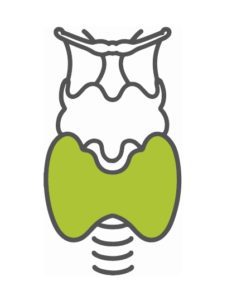
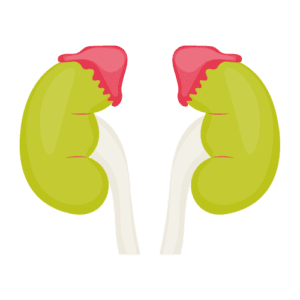
Conn's Syndrome, also known as primary hyperaldosteronism, occurs when the adrenal glands produce excess aldosterone, a hormone crucial for sodium and potassium regulation. This condition often arises from a noncancerous tumor in one of the adrenal glands.
Aldosterone plays a pivotal role in blood pressure management and electrolyte balance. In Conn's Syndrome, the overabundance of aldosterone leads to increased sodium and water retention, causing elevated blood pressure and reduced potassium levels.

Persistent high blood pressure resistant to standard treatment
Muscle weakness and spasms from low potassium
Increased thirst and frequent urination

Persistent headaches and general fatigue

Acupuncture Session - $189.00
Acupuncture, Package of 4 - $636.00
Female Pellet Insertion Package - $518.00
Male Pellet Insertion Package - $744.00