Hormone health affects everything from mood and metabolism to sleep quality, cognitive clarity, and reproductive wellness. When estrogen levels become imbalanced, symptoms can quietly build over time, leaving many women searching for answers without immediately realizing hormones may be the root cause.
The right estrogen balance supplement can help support the body’s natural hormone metabolism rather than artificially altering it or masking symptoms temporarily. This approach focuses on restoring balance at the metabolic level instead of forcing hormonal change.
Instead of adding hormones, these supplements concentrate on how estrogen is processed, transformed, and eliminated through the liver and digestive system. By improving detox pathways and supporting liver and gut health, they aim to restore equilibrium in a steady, sustainable way that aligns with long term wellness goals rather than short term symptom control. Let's look at top estrogen balance supplements for natural hormone support.

An estrogen balance supplement is designed to support the body’s natural ability to regulate and metabolize estrogen. Rather than increasing or decreasing hormone production directly, these formulas encourage healthier estrogen breakdown pathways in the liver and digestive system.
This distinction matters because imbalance often stems from poor metabolism rather than overproduction alone. Estrogen circulates in different forms within the body. Some forms are more active than others, and when the less favorable metabolites accumulate, symptoms may appear.
Supplements help shift estrogen into more balanced metabolic pathways, promoting smoother hormonal regulation. The goal is not to suppress estrogen but to help the body process it more efficiently. This approach supports long term wellness rather than offering a short term hormonal fix.
Hormonal fluctuations can show up in subtle but persistent ways. Many women report mood swings, breast tenderness, and worsening premenstrual symptoms. Weight gain around the hips and abdomen is another common complaint.
Irregular menstrual cycles, heavy periods, and fatigue may also indicate imbalance. During perimenopause, these symptoms can intensify as hormone levels naturally fluctuate. Recognizing these patterns early makes it easier to choose supportive strategies.
Estrogen dominance does not necessarily mean estrogen levels are excessively high. It can also mean progesterone is too low in comparison. This imbalance can create uncomfortable symptoms even when lab values fall within a normal range.
Low estrogen, on the other hand, may cause hot flashes, vaginal dryness, and bone density concerns. Both scenarios highlight the importance of balance rather than extremes.
Not all hormone supplements are formulated equally. The effectiveness of any product depends heavily on ingredient quality, dosage, and how well the compounds work together. Research backed nutrients play a central role in determining whether a supplement truly supports estrogen metabolism.
A 2020 review published in the journal Nutrients examined plant derived compounds that influence hormone metabolism and noted promising results for certain cruciferous vegetable extracts. These ingredients are now commonly included in high quality formulations.
Understanding ingredient function is essential before selecting any hormone support product.
DIM is derived from cruciferous vegetables such as broccoli and Brussels sprouts. It supports estrogen metabolism by promoting the formation of beneficial estrogen metabolites. This process may help reduce symptoms associated with hormonal imbalance.
Because DIM directly influences how estrogen is processed, it has become one of the most widely studied ingredients in hormone support formulas. Consistent dosing appears to play a key role in achieving balanced results.
Calcium D Glucarate assists the body in eliminating excess estrogen. It supports liver detox pathways by preventing reabsorption of estrogen in the digestive tract. This action may reduce the buildup of unwanted hormone metabolites.
Many comprehensive supplements combine DIM with Calcium D Glucarate for a dual action approach. Together, they support both transformation and elimination processes.
Indole 3 Carbinol is another compound found in cruciferous vegetables. It converts into DIM in the body and offers similar metabolic benefits. Some research suggests it may also provide antioxidant support.
Including both DIM and Indole 3 Carbinol may offer broader metabolic coverage. However, dosage balance remains important to avoid digestive discomfort.
Magnesium, vitamin B6, and zinc contribute to overall hormone regulation. These nutrients assist with stress response and enzyme function involved in hormone synthesis. Fiber and probiotics further support gut health, which plays a direct role in hormone elimination.
A balanced digestive system helps prevent estrogen from being reabsorbed into circulation. This connection underscores why comprehensive formulas often address more than a single pathway.
When evaluating supplement options, ingredient transparency and third party testing should be high priorities. Products that clearly list active ingredient amounts allow consumers to make informed decisions. Avoid blends that hide dosages behind proprietary labels.
Different formulas cater to different needs. Some focus heavily on DIM, while others emphasize liver detox or adaptogenic herbs.
Below is a brief comparison of common supplement categories:
| Supplement Type | Key Ingredient | Best For | Notes |
| DIM Based | Diindolylmethane | Estrogen metabolism | Direct pathway support |
| Detox Focused | Calcium D Glucarate | Hormone elimination | Liver and gut support |
| Comprehensive Blend | DIM plus detox nutrients | Broad hormone balance | Multi pathway approach |
This overview highlights how formulations differ. Choosing the right category depends on individual symptoms and health history.
EndoDIM is formulated around DIM to promote balanced estrogen metabolism. Rather than combining an overwhelming list of ingredients, it focuses on targeted support. This streamlined approach may appeal to individuals seeking simplicity in supplementation.
EndoDIM is often used by women experiencing PMS symptoms, hormonal acne, or perimenopausal changes. As with any supplement, results vary depending on consistency and overall lifestyle factors.
A well formulated DIM supplement can support healthy estrogen metabolism when used appropriately and under professional guidance.
Hormone support supplements are generally well tolerated when used as directed. However, individual responses differ based on metabolism, overall health, and concurrent medications. Consulting a healthcare provider remains important, especially for individuals with hormone sensitive conditions.
Typical DIM dosages range between 100 and 300 milligrams daily, depending on the formulation. Higher amounts do not necessarily produce better results and may increase the likelihood of digestive discomfort.
Results are rarely immediate. Many women report gradual improvements over four to eight weeks. Tracking symptoms can help identify whether a supplement is providing meaningful support.
Possible mild side effects include headache or changes in urine color, which are generally harmless. Staying hydrated and following recommended dosing guidelines helps minimize issues.
Selecting the right supplement begins with identifying your primary concern. Are you dealing with heavy cycles, persistent PMS, or perimenopausal fluctuations? Clarifying goals helps narrow product choices.
Look for products that disclose exact ingredient amounts and avoid artificial fillers. Third party testing adds an extra layer of quality assurance. Reading reviews can offer insight, though personal physiology ultimately determines outcomes.
Here are a few practical considerations:
Taking a thoughtful approach prevents unnecessary trial and error.
Even the highest quality supplement cannot deliver optimal results if it is used incorrectly. Many people start hormone support with high expectations but overlook important fundamentals. Avoiding common mistakes can make the difference between gradual improvement and ongoing frustration.
Hormone balance requires consistency, patience, and awareness of how the body responds. Small missteps can interfere with progress or delay noticeable benefits.
Understanding what not to do is just as important as knowing what to take.
Hormones shift gradually. While some individuals notice improvements within a few weeks, most benefits build steadily over time. Estrogen metabolism changes at the cellular level, which means the body needs time to recalibrate.
Stopping a supplement too soon often prevents users from seeing meaningful progress. Tracking symptoms monthly rather than daily provides a more accurate picture of improvement.
Supplements cannot compensate for poor dietary habits. Processed foods, excessive sugar, and low fiber intake can interfere with estrogen elimination. The digestive system plays a central role in hormone recycling.
Without adequate fiber and hydration, estrogen metabolites may be reabsorbed into circulation. Supporting gut health enhances the effectiveness of any supplement strategy.
More is not always better. Higher doses of DIM or detox compounds may increase side effects without improving outcomes. Following label instructions or professional guidance ensures safe and steady progress.
Starting with moderate dosing allows the body to adjust. Gradual adjustments may be made if necessary under medical supervision.
Hormone support supplements can interact with birth control pills, hormone therapy, or certain prescription medications. Failing to discuss supplementation with a healthcare provider may create unintended effects.
Women with hormone sensitive conditions should be particularly cautious. Personalized medical advice provides reassurance and clarity.
Taking a supplement sporadically reduces its potential effectiveness. Hormone metabolism depends on sustained nutritional support.
Daily consistency allows ingredients to build stable metabolic patterns. Skipping doses frequently can delay noticeable changes.
Chronic stress elevates cortisol, which disrupts reproductive hormone balance. Even the best supplement cannot fully counteract ongoing stress overload.
Incorporating stress reduction practices such as walking, stretching, or mindfulness strengthens overall results. Hormonal health thrives in a balanced nervous system environment.
Supplements are tools, not standalone solutions. Movement, sleep quality, and toxin reduction all influence estrogen levels.
A comprehensive approach produces more reliable and sustainable improvements. Viewing supplementation as one piece of a larger wellness plan prevents unrealistic expectations.
Supplements rarely work in isolation. Diet, stress levels, and environmental exposures significantly influence hormone balance. Incorporating supportive habits can enhance the benefits of supplementation.
Cruciferous vegetables provide natural precursors to DIM. Fiber rich foods promote digestive regularity, aiding estrogen elimination. Regular physical activity supports insulin sensitivity and overall hormone regulation.
Stress management also matters. Chronic stress elevates cortisol, which can interfere with reproductive hormone balance.Support strategies like adrenal support supplements and insights on hormone disruption causes can help maintain balance..
Sustainable hormone balance depends as much on daily habits as it does on supplementation.
One of the most common questions surrounding hormone supplementation involves timing. While every individual responds differently, understanding typical timelines can reduce uncertainty. Hormone metabolism is not an overnight process, and realistic expectations support long term consistency.
Several factors influence how quickly improvements appear, including baseline hormone levels, lifestyle habits, and supplement quality.
Most individuals begin noticing subtle improvements within four to eight weeks of consistent use.
During the initial phase, the body begins adjusting to metabolic support. Some women report mild changes in energy or digestion. Others may not notice immediate differences.
This stage focuses on cellular adjustments rather than outward symptom changes. Hydration and nutrient intake become especially important.
Hormone metabolites may begin shifting more noticeably during this period. PMS symptoms or mood fluctuations may start stabilizing slightly.
Sleep patterns may also improve as cortisol regulation becomes more balanced. Consistency remains key during this stage.
This is when many women report clearer improvements. Cycle regularity, reduced breast tenderness, and improved mood may become more apparent.
Weight management efforts may also feel less frustrating. Estrogen metabolism becomes more predictable as the body adapts.
Long term benefits often continue building with ongoing use. For women in perimenopause, steady supplementation may contribute to smoother hormonal transitions.
Periodic evaluation ensures the supplement continues meeting individual needs. Some may adjust dosing based on symptom tracking and medical guidance.
Long term hormone wellness requires a comprehensive approach. Supplements can provide targeted support, but they work best when paired with nutrition, movement, and stress reduction strategies. Monitoring symptoms over time allows adjustments as life stages change.
Choosing a high quality estrogen balance supplement and using it consistently may help maintain smoother hormonal transitions. As research continues to evolve, interest in natural metabolism support is likely to expand.
In the next discussion, we will explore how gut health directly impacts hormone balance and why the microbiome plays a central role in estrogen regulation. Understanding that connection adds another layer to building a sustainable, whole body hormone strategy.
Hormones are the chemical messengers of the body, influencing mood, sleep, metabolism, reproduction, energy levels, and overall wellness. When hormone balance is disrupted, people may notice fatigue, mood swings, irregular cycles, low libido, weight changes, or cognitive fog.
While lifestyle interventions like nutrition, exercise, stress management, and sleep hygiene remain foundational, certain supplements may help support hormone balance in targeted ways.
This article explores top 10 hormonal balance supplements to support overall wellness, with a focus on evidence, safety, and practical considerations. The list prioritizes Pregnenolone, EndoDIM, DHEA 5 mg, and Inositol, but also includes complementary nutrients that support overall endocrine and metabolic health.
Pregnenolone is a naturally occurring steroid hormone produced in the adrenal glands, gonads, and brain. It serves as a precursor to many downstream hormones such as progesterone, DHEA, estrogen, and testosterone, and also functions as a neurosteroid that can influence mood, memory, and cognitive function.
| Evidence & Uses | Typical Dosing | Safety |
| Small studies suggest potential benefits for cognitive function, mood, and stress response. Short-term clinical data exist, but long-term effects are not fully established. | 5–25 mg/day for initial use; higher doses up to several hundred mg/day exist but should be supervised. | Possible side effects include acne, sleep disturbances, or mood changes. Avoid in pregnancy, breastfeeding, or hormone-sensitive conditions without supervision. |
Pregnenolone may help support cognitive function, stress resilience, and hormone balance due to its role as a steroid precursor. Because it influences downstream hormone production, careful dosing and monitoring are important. Clinical guidance is recommended for anyone with hormone-sensitive conditions or who is considering long-term use.
EndoDIM is a supplement derived from cruciferous vegetables and contains diindolylmethane (DIM), which supports healthy estrogen metabolism. It helps shift estrogen breakdown toward less estrogenic metabolites, potentially reducing PMS symptoms, cyclical breast tenderness, and supporting overall estrogen balance.
| Evidence & Uses | Typical Dosing | Safety |
| Laboratory and small clinical studies indicate DIM may support healthy estrogen metabolism and reduce estrogen-related symptoms. Anti-inflammatory and antioxidant effects are noted in preclinical models. | 50–200 mg/day depending on product and intended use. Cyclical or phased use may be recommended for women with menstrual cycles. | Generally well tolerated; possible mild gastrointestinal upset or headache. May interact with hormonal contraceptives or estrogen therapy. |
EndoDIM is a well-studied option for supporting estrogen metabolism. It may be particularly useful for women experiencing PMS, breast tenderness, or those seeking metabolic support for estrogen detoxification. Users taking hormone therapy should consult a clinician.
DHEA is an adrenal hormone precursor that naturally declines with age. It can convert into androgens and estrogens, influencing energy, mood, libido, bone health, and fertility. Low-dose (5 mg) DHEA supplementation aims to provide mild support while minimizing androgenic side effects.
| Evidence & Uses | Typical Dosing | Safety |
| Evidence shows potential benefits in energy, bone density, fertility, and mood. Most studies focus on higher doses, so low-dose evidence is extrapolated from clinical experience. | 5 mg/day as a conservative starting dose. Higher doses require clinical monitoring. | Androgenic side effects at higher doses: acne, hirsutism, voice changes. Avoid hormone-sensitive cancers, pregnancy, or uncontrolled medical conditions. Monitoring recommended. |
Low-dose DHEA can provide gentle support for adrenal and hormonal balance while minimizing risks. Periodic lab monitoring and symptom tracking are recommended. People with hormone-sensitive conditions should consult a healthcare provider before use.
Inositol is a sugar-like molecule involved in cellular signaling and insulin function. Myo-inositol and D-chiro-inositol are commonly used to support reproductive health and metabolic function, particularly in individuals with PCOS.
| Evidence & Uses | Typical Dosing | Safety |
| Strong evidence for improving insulin sensitivity, ovulation, and metabolic markers in PCOS. May also support mood and anxiety, though research is limited. | Myo-inositol: 2 g twice daily (4 g/day). Combination with D-chiro-inositol in a 40:1 ratio may mimic tissue physiology. | Generally well tolerated; mild gastrointestinal upset possible. Monitor blood glucose if diabetic. |
Inositol is particularly effective for supporting insulin sensitivity, ovulation, and hormonal balance in PCOS. It is generally safe and well tolerated, with minimal side effects, making it a widely recommended supplement in clinical practice.
Omega-3 fatty acids support cardiovascular health, reduce inflammation, and influence metabolic and hormonal pathways. They can indirectly affect hormone balance by improving insulin sensitivity and inflammatory profiles.
| Evidence & Uses | Typical Dosing | Safety |
| Evidence shows improvement in inflammatory markers and some hormonal parameters in PCOS. Supports brain health, mood, and cardiovascular function. | 1–3 g/day EPA + DHA depending on goals. | Generally safe; mild gastrointestinal upset or fishy aftertaste. Caution in people taking anticoagulants. |
Omega-3 fatty acids provide foundational support for metabolism and inflammation, indirectly supporting hormone balance. They can be safely used in combination with other supplements.
Magnesium is essential for hundreds of enzymatic reactions, including insulin signaling, adrenal function, and neurotransmitter regulation. Adequate magnesium supports sleep, stress management, and metabolic health.
| Evidence & Uses | Typical Dosing | Safety |
| Supports stress resilience, sleep quality, and metabolic markers. Deficiency may worsen cortisol response and muscle tension. | 200–400 mg/day (glycinate or citrate preferred). | High doses may cause diarrhea. Generally well tolerated. |
Magnesium supports adrenal, metabolic, and nervous system health, providing broad benefits that complement other hormonal support strategies.
Vitamin D regulates immune function, bone health, insulin sensitivity, and reproductive hormone function. Adequate levels are critical for overall endocrine wellness.
| Evidence & Uses | Typical Dosing | Safety |
| Supports metabolic health, reproductive function, and overall endocrine balance. Correcting deficiency can improve outcomes across multiple hormone systems. | Tailored dosing to achieve 25-OH vitamin D levels of 30–50 ng/mL. Typically 1,000–5,000 IU/day depending on baseline levels. | Excessive supplementation may cause hypercalcemia; lab monitoring recommended with high doses. |
Vitamin D is foundational for endocrine health. Ensuring sufficient levels may improve overall hormonal function, metabolic health, and immunity.
The gut microbiome influences estrogen metabolism, immune function, and metabolic regulation. Supporting the gut can indirectly enhance hormone balance.
| Evidence & Uses | Typical Dosing | Safety |
| Supports estrogen detoxification via the estrobolome, improves metabolic signaling, and indirectly enhances mood and sleep. | Follow product-specific CFU guidance. Combine with dietary fiber and fermented foods for optimal effect. | Generally safe; may cause mild bloating initially. Caution in immunocompromised individuals. |
Probiotics and gut support contribute to a balanced hormonal environment through indirect effects on estrogen metabolism and overall metabolic health.
Zinc is essential for enzyme function, reproductive hormones, immune function, and cellular metabolism.
| Evidence & Uses | Typical Dosing | Safety |
| Supports testosterone synthesis in men and ovulatory function in women. Promotes skin and immune health. | 15–30 mg/day | Excessive zinc may cause copper deficiency and gastrointestinal upset. Long-term high doses are not recommended. |
Zinc plays a vital role in reproductive health and hormone synthesis. Adequate supplementation supports overall endocrine wellness when dietary intake is insufficient.
Ashwagandha is an adaptogenic herb that may reduce stress, lower cortisol, and support thyroid and adrenal function.
| Evidence & Uses | Typical Dosing | Safety |
| Clinical studies show reduced stress, anxiety, and improved sleep quality. May help balance cortisol-related metabolic disruption. | 300–600 mg/day of standardized root extract. | Generally well tolerated. Avoid pregnancy, autoimmune thyroid disease, or with sedatives without guidance. |
Ashwagandha is an adaptogen that supports stress resilience and cortisol regulation, indirectly promoting hormonal balance and metabolic health.
Introducing hormonal supplements can be an effective way to support overall wellness, but it’s important to approach supplementation thoughtfully to maximize benefits and minimize potential risks. Here are some practical steps to keep in mind:
Introduce supplements individually rather than combining multiple new products at once. This makes it easier to observe any effects or side effects and determine which supplement is providing the desired benefit.
Keep a journal of key indicators such as mood, energy levels, sleep quality, menstrual cycles, and cognitive focus. Tracking these changes helps identify improvements, monitor responses, and adjust supplementation as needed.
Before beginning supplementation, consider baseline lab testing of relevant hormones (e.g., thyroid hormones, DHEA-S, estrogen, testosterone). Periodic follow-up testing can help ensure hormone levels stay within healthy ranges and guide adjustments.
Individuals with hormone-sensitive conditions, chronic health concerns, or those taking prescription medications should seek guidance from a qualified healthcare professional. A clinician can help determine safe dosing, monitor interactions, and provide personalized recommendations.
By following these steps, readers can approach hormonal supplementation in a safe, structured, and informed way, allowing them to support hormonal balance while minimizing risks.
Hormonal health is influenced by lifestyle, genetics, environment, and medical factors.
Supplements like Pregnenolone, EndoDIM, DHEA 5 mg, and Inositol provide targeted support, while nutrients such as omega-3s, magnesium, vitamin D, probiotics, zinc, and adaptogens like ashwagandha enhance metabolic, reproductive, and adrenal wellness.
Using these supplements safely requires evidence-based dosing, monitoring of symptoms and labs, and clinical guidance, especially when dealing with hormone-sensitive conditions or combining multiple hormone-active products. When combined with lifestyle optimization, these supplements can be an effective tool in supporting overall hormonal balance and wellness.
Hormones affect everything from mood and metabolism to sleep, skin, and menstrual cycles. When they fall out of balance, the effects can ripple across every part of a woman’s life. That’s why finding the best female hormone balance supplements is more than just a wellness trend, it’s a personalized solution to help women feel strong, stable, and supported through every age and phase.
Whether you’re navigating PMS in your 20s, fertility in your 30s, perimenopause in your 40s, or menopause and beyond, targeted supplements can ease the transition and bring relief. This guide explores the best female hormone balance supplements for every stage of life including NES products like Pregnenole and Inositol and breaks down how each one helps restore balance naturally.

Female hormones like estrogen, progesterone, and testosterone aren’t static. They fluctuate constantly, influenced by your menstrual cycle, stress levels, diet, pregnancy, birth control, and aging. That’s why what works for one stage of life may not work for another.
Women experience natural hormone shifts across every decade and the right support can ease symptoms, improve resilience, and support long-term health.
Common signs of hormone imbalance include:
While lifestyle changes matter, supplements can play a powerful role in regulating cycles, supporting fertility, easing perimenopausal symptoms, and reducing postmenopausal risks. Below are the top supplements shown to support hormonal health at key stages of life.
Inositol is a naturally occurring compound sometimes classified as a B-vitamin. It supports communication between cells and plays a key role in insulin signaling which affects everything from metabolism to ovulation.
Women with irregular periods, PCOS, or blood sugar swings often benefit from inositol. It helps regulate insulin and blood sugar, which in turn supports balanced estrogen and androgen levels. Inositol has also been shown to support ovulation, especially in women with PCOS-related fertility issues.
NES Inositol supports reproductive hormone balance, blood sugar stability, and emotional resilience especially during the childbearing years.
Inositol can be taken daily and pairs well with other nutrients like folate and magnesium for broader hormonal support.
Pregnenolone is a master hormone the precursor from which many other hormones are made, including progesterone, DHEA, estrogen, and cortisol. Supporting pregnenolone levels helps your body build what it needs, especially during times of stress or transition.
NES’s Pregnenole combines pregnenolone with additional co-factors to support adrenal health, mental clarity, and hormone production. It’s especially useful in women dealing with fatigue, irregular cycles, and mood swings due to low progesterone or estrogen imbalance.
Pregnenole supports natural hormone production at the source, making it ideal for perimenopause, post-birth control recovery, or adrenal fatigue.
Pregnenole is typically used in the morning to support daytime hormone production and energy. It may also be useful for women in their 40s and 50s dealing with fatigue, fogginess, and hormonal dips.
Vitex agnus-castus, or chasteberry, has been used for centuries to help regulate menstrual cycles and ease PMS. It works by gently influencing the pituitary gland, which controls the release of reproductive hormones like luteinizing hormone (LH) and follicle-stimulating hormone (FSH).
Women with irregular periods, painful PMS, or post-pill hormone swings often find relief with Vitex. It’s not a fast-acting supplement but works over time to promote regular ovulation and progesterone production.
Vitex helps rebalance the menstrual cycle, especially for women transitioning off hormonal birth control or struggling with PMS.
Vitex works best when taken daily in the morning for several months, especially when paired with stress support supplements.
Magnesium is involved in over 300 enzyme processes in the body and plays a direct role in hormone production, nerve function, muscle relaxation, and sleep. Yet most women are chronically deficient especially during high-stress periods or with hormonal birth control use.
Magnesium helps regulate cortisol and supports progesterone production. It also eases PMS symptoms like cramps, anxiety, and insomnia. In menopause, it supports bone health, insulin sensitivity, and cardiovascular function.
Magnesium provides hormonal stability, stress relief, and better sleep across all life stages.
Taking magnesium at night can promote restful sleep and smoother hormonal fluctuations.
Hormone balance isn’t just about production it’s also about elimination. Excess estrogen or poor estrogen metabolism can lead to symptoms like mood swings, weight gain, breast tenderness, and heavy periods. DIM (diindolylmethane) and calcium D-glucarate support the liver’s natural detoxification of estrogen.
DIM is a compound found in cruciferous vegetables like broccoli that promotes healthy estrogen metabolism. Calcium D-glucarate supports phase II liver detox, helping eliminate excess hormones and reduce reabsorption in the gut.
These supplements help clear excess estrogen, reduce symptoms of estrogen dominance, and promote hormone balance from the inside out.
These are especially helpful:
Both supplements work best when paired with a fiber-rich diet and gut health support, since hormone clearance depends partly on digestion.
| Supplement | Best For | Key Benefits | Life Stage |
| Inositol (NES) | PCOS, fertility, sugar balance | Supports ovulation, insulin sensitivity, mood | 20s–30s |
| Pregnenole (NES) | Fatigue, perimenopause, low progesterone | Improves energy, mental clarity, hormone conversion | 30s–50s |
| Vitex (Chasteberry) | PMS, post-pill recovery, irregular cycles | Regulates cycles, supports progesterone | 20s–40s |
| Magnesium | Stress, sleep, cramping, insulin | Promotes relaxation, sleep, hormone regulation | All ages |
| DIM + Calcium D-Glucarate | Estrogen dominance, heavy periods, perimenopause | Clears excess estrogen, supports liver detox | 30s–50s |
This table highlights how each supplement targets specific concerns and life stages. Many women benefit from combining two or three for a more personalized routine.
No two hormonal journeys are alike. A 25-year-old navigating irregular cycles will need a different approach than a 48-year-old in perimenopause. Here’s how to build a routine that matches your current phase.
Focus on cycle regulation, PMS relief, and long-term reproductive support.
Support fertility, stress management, and insulin balance.
Support estrogen metabolism and prepare for perimenopause.
Address postmenopausal changes, mood swings, and metabolism.
Start with one or two key supplements, observe how your body responds, and build from there.
A targeted supplement routine, paired with sleep, movement, and blood sugar balance, can make a dramatic difference in how you feel daily.
Supplements work best when combined with supportive habits, not as quick fixes.
Your hormones and gut bacteria constantly talk to each other. A compromised gut microbiome can increase estrogen reabsorption, trigger inflammation, and even interfere with serotonin and cortisol regulation. That’s why many hormone specialists now treat the gut first when addressing imbalances.
NES’s MicroBioMax 100 is one of the best gut health supplements to improve digestion naturally. It delivers targeted probiotics and enzymes that support better absorption, regular bowel movements, and a healthier gut lining all essential for hormone detox and conversion.
If your hormone symptoms are lingering, your gut might be the missing link. In our next post, we’ll explore how gut health supplements like MicroBioMax 100 can help restore balance from the inside out.
For more than 20 years, millions of women have avoided hormone therapy because of a single warning label. Today, that changes. The U.S. Department of Health and Human Services (HHS) and the U.S. Food and Drug Administration (FDA) have officially removed outdated, misleading warnings from estrogen and hormone replacement therapies (HRT). This update is a major moment in women’s health — correcting decades of confusion, fear, and misinformation that kept many women from receiving safe, effective care.
In the early 2000s, the Women’s Health Initiative (WHI) study placed a black box warning on hormone therapy, suggesting that estrogen increased the risk of breast cancer, heart disease, stroke, and blood clots. However, researchers have since identified two important truths:
This is why the FDA is finally removing outdated warnings and restoring confidence in evidence-based women's health care.
The November 2025 FDA announcement highlights:
✔️ Removal of misleading black box warnings that exaggerated risks disproven by modern research.
✔️ Updated labeling to reflect current science, aligning with what clinicians have known for years—that HRT, when used appropriately, is safe for most women.
✔️ A push for “gold-standard science” in women’s health to correct misinformation that has harmed care for over two decades.
This is the #1 fear women bring to their doctors. Here’s what updated research shows:
For two decades, women were told:
“Hormones cause cancer.”
This message shaped an entire generation’s healthcare decisions. But now, with the FDA acknowledging those warnings were misleading, women can finally have scientific clarity, not fear-driven medicine.
⭐ Relief of menopausal symptoms such as hot flashes, night sweats, irritability, anxiety, and insomnia. Many see improvements within weeks.
⭐ Improved metabolic health including insulin sensitivity, weight management, muscle maintenance, and cholesterol regulation.
⭐ Bone and cardiovascular protection through support of bone mineral density, vascular elasticity, and healthy blood pressure.
⭐ Cognitive and emotional support, with many women reporting sharper memory, better mood stability, and less brain fog.
Even with safer labeling, hormone therapy is not “one size fits all.” A root-cause approach ensures:
This kind of personalized care is essential to optimize outcomes and safety.
Certain cases require specialized care:
Clinicians will carefully evaluate eligibility for HRT.
For decades, women’s health has been underserved, under-researched, and overshadowed by fear-based messaging. The FDA’s decision finally brings:
✔️ Clarity
✔️ Modern scientific accuracy
✔️ Better access to care
✔️ Empowered choices for women entering menopause
This represents a fundamental shift toward respecting women’s health needs with the rigor given to other medicine areas.
The removal of the black box warning signals a turning point. Women can finally explore hormone replacement therapy with accurate information and personalized guidance — not fear. If you have been struggling with symptoms or avoiding treatment because of old warnings, now is the time to revisit your options.
Our team specializes in thyroid, hormone, metabolic, and women’s health. We offer personalized evaluations and science-based guidance tailored to your unique needs.
👉 Schedule a consultation with us
👉 Read the full FDA update here
👉 Send us your questions anytime
Your health, your hormones, and your quality of life matter — and today’s FDA update finally supports that.
Osteoporosis, a condition marked by weakened bones and an increased risk of fractures, is a significant health concern, especially as we age.
Hormone Replacement Therapy (HRT) has emerged as a beacon of hope in this realm, offering not just relief but also a proactive approach to managing and potentially reversing the effects of this bone-thinning disease.
This blog delves into the intersection of HRT and osteoporosis, exploring how replenishing certain hormones can fortify bone density and resilience. We will unravel the science behind HRT, its benefits, and considerations, providing a comprehensive view for those seeking to understand and combat osteoporosis effectively.
Osteoporosis, a condition characterized by fragile bones, is a major health concern, particularly as individuals age. Understanding the risk factors is crucial in both prevention and treatment.
Here, we delve into key elements that contribute to this condition, highlighting why some individuals are more susceptible than others:
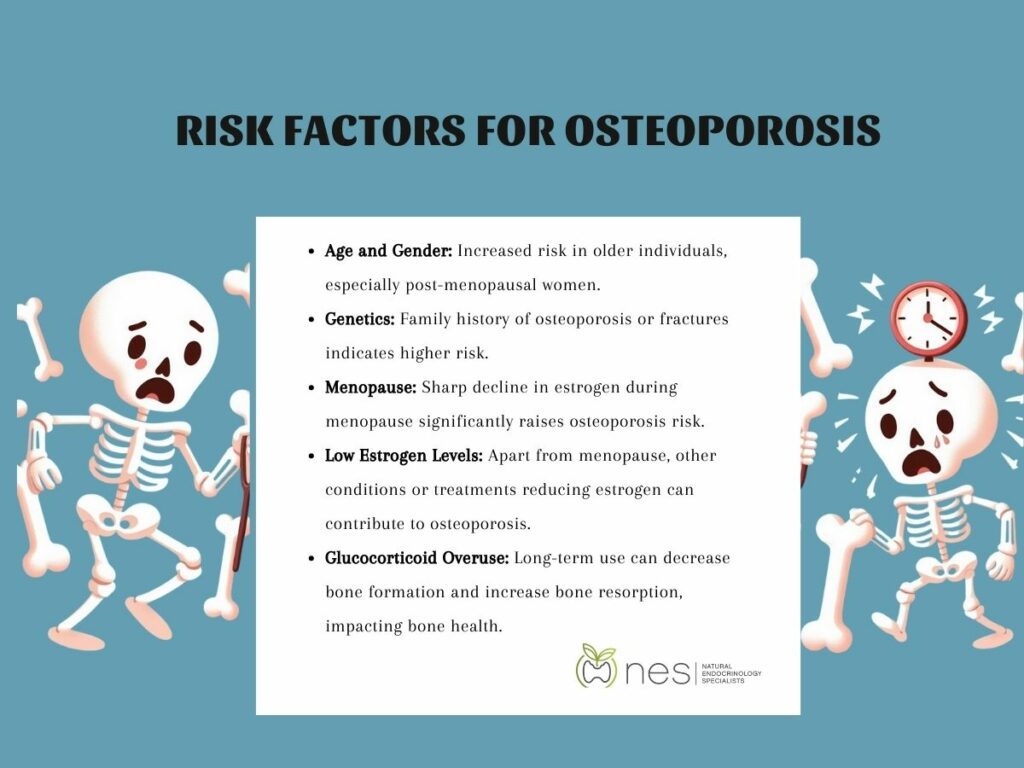
As people age, their bone density naturally decreases. This process accelerates in women post-menopause, making them particularly vulnerable to osteoporosis. Over 50 have a significantly higher risk of developing osteoporosis compared to men.
This gender disparity underlines the importance of early intervention and tailored treatment plans, especially for women as they age.
Osteoporosis can run in families, indicating a strong genetic component. Individuals with a family history of osteoporosis or fractures should be particularly vigilant.
Although genetics can't be changed, understanding this risk can guide proactive measures to strengthen bone health from an early age.
The link between menopause and osteoporosis is undeniable. During menopause, women experience a sharp decline in estrogen, a hormone crucial for maintaining bone density. This drop significantly increases their risk of developing osteoporosis.
Recognizing this connection is vital for women approaching menopause age, as it opens avenues for preventive care, including Hormone Replacement Therapy (HRT).
While menopause is a common cause of reduced estrogen, other factors can also lead to low estrogen levels, contributing to osteoporosis.
These include certain medical conditions and treatments that affect hormone levels. Maintaining a balance of hormones is, therefore, integral to bone health, regardless of age or gender.
Long-term use of glucocorticoids, often prescribed for chronic conditions like asthma or rheumatoid arthritis, can lead to decreased bone formation and increased bone resorption. This side effect underscores the importance of monitoring bone health in individuals undergoing such treatments.
Preventing and treating osteoporosis involves a multifaceted approach, combining lifestyle modifications and medical interventions. By addressing the condition from various angles, individuals can significantly improve their bone health and reduce the risk of fractures.
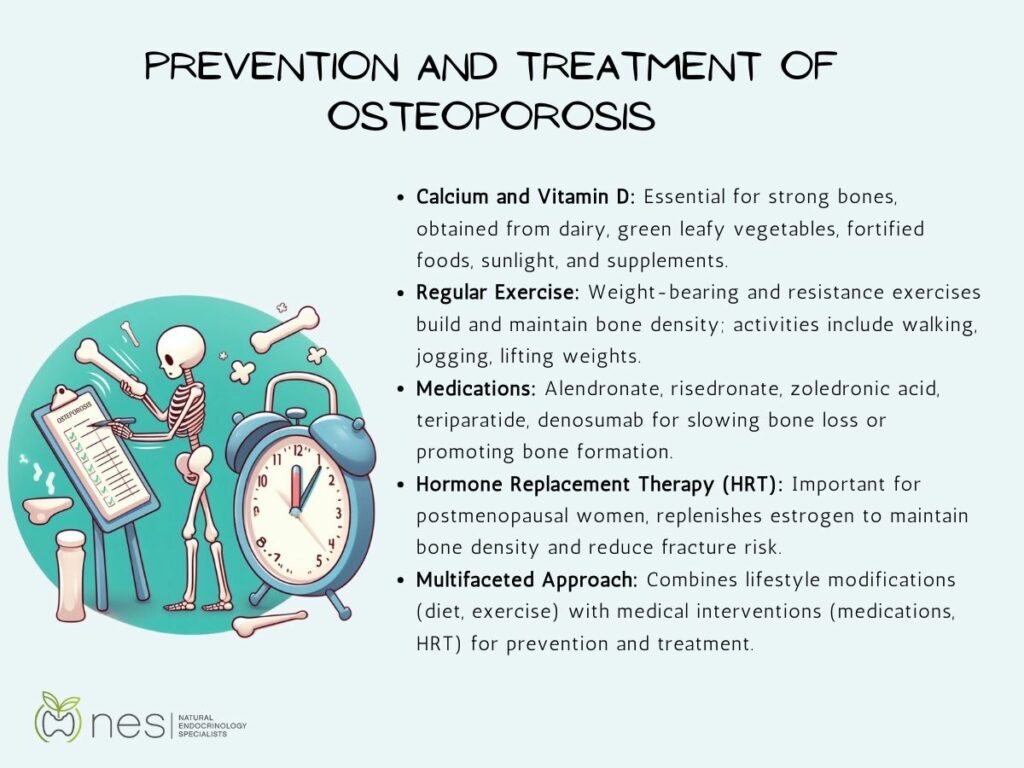
Calcium and vitamin D are the cornerstones of bone health. Adequate intake of these nutrients is crucial for maintaining strong bones.
Dairy products, green leafy vegetables, and fortified foods are excellent sources of calcium, while vitamin D can be obtained from sunlight exposure and dietary sources. Supplements may also be recommended, especially for those at high risk of deficiency.
Physical activity, particularly weight-bearing and resistance exercises, is essential in building and maintaining bone density. Activities like walking, jogging, and lifting weights not only strengthen muscles but also help improve bone strength.
Regular exercise, is therefore, a key component in both preventing and treating osteoporosis.
Several medications are available to treat osteoporosis, including alendronate, risedronate, zoledronic acid, teriparatide, and denosumab. These drugs work in various ways to either slow bone loss or promote bone formation.
The choice of medication depends on individual factors such as the severity of bone loss, age, and overall health.
HRT plays a significant role in both preventing and treating osteoporosis, particularly in postmenopausal women.
By replenishing estrogen levels, HRT helps maintain bone density and reduce the risk of fractures. However, HRT is not suitable for everyone and requires careful consideration of its benefits and risks.
Hormone Replacement Therapy (HRT) stands as a pivotal treatment option for managing menopause symptoms and preventing osteoporosis, particularly in women. This therapy involves supplementing the body with estrogen, and sometimes progesterone, to mitigate the hormonal fluctuations experienced during menopause.
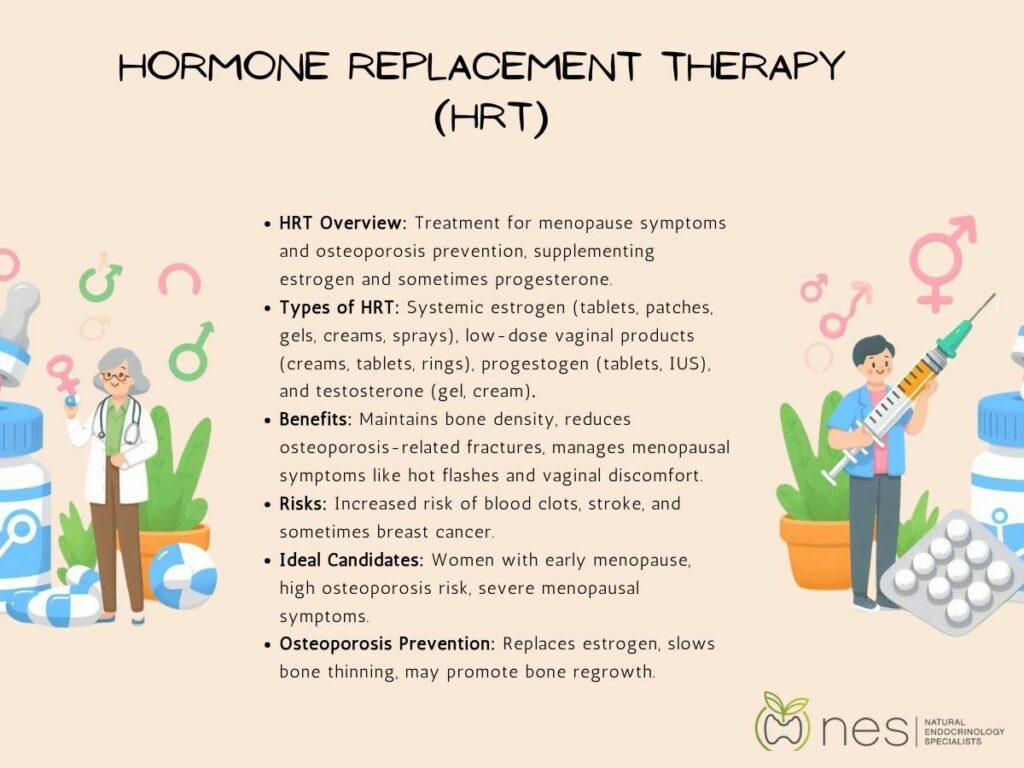
HRT comes in various forms, each tailored to individual needs and health profiles. The primary types include:
The benefits of HRT are significant, especially in the context of bone health. It helps maintain bone density and reduce the risk of fractures due to osteoporosis. Additionally, it effectively manages other menopausal symptoms, like hot flashes and vaginal discomfort.
However, HRT is not without risks. It can increase the likelihood of certain health issues, such as blood clots, stroke, and in, some cases, breast cancer. Therefore, evaluating these risks in consultation with a healthcare provider is crucial.
Ideal candidates for HRT are typically women experiencing early menopause, either naturally or due to surgical intervention, and those who are at a high risk for osteoporosis.
Women suffering from severe menopausal symptoms that affect their quality of life may also be considered. Assessing individual health history, risk factors, and preferences is essential when determining suitability for HRT.
HRT can significantly aid in preventing bone loss and reducing fracture risk in postmenopausal women. By replacing estrogen, which plays a key role in maintaining bone density, HRT slows down bone thinning and can even lead to some degree of bone regrowth.
While medical treatments like HRT are important, lifestyle modifications are crucial in preventing osteoporosis.
As we explore the realm of Hormone Replacement Therapy and its role in combating osteoporosis, it's crucial to acknowledge another facet of hormonal health: the emotional impact of hormone imbalances.
Hormones play a pivotal role not only in our physical well-being but also in our emotional and mental health. Fluctuations in hormone levels, whether due to menopause, thyroid issues, or other conditions, can lead to a range of emotional responses, from mood swings to anxiety and depression.
In our next blog, we will delve into understanding and coping with these emotional challenges, offering insights and strategies to manage the psychological aspects of hormonal imbalances.

